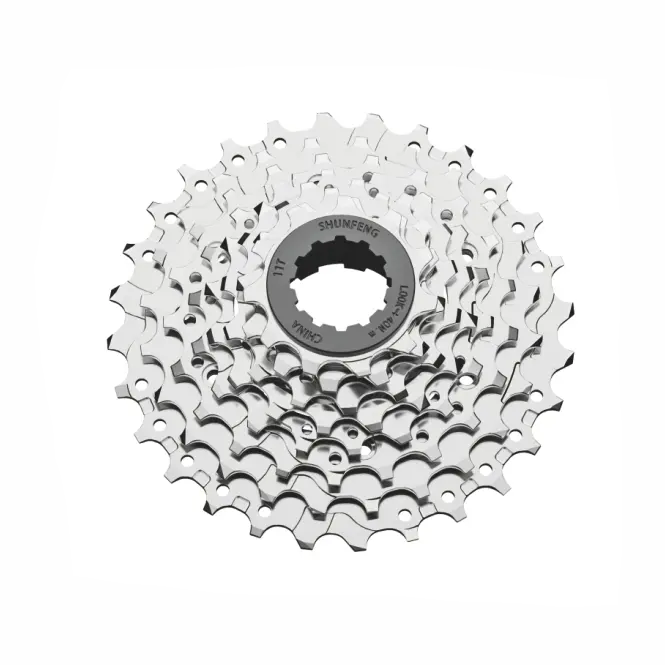
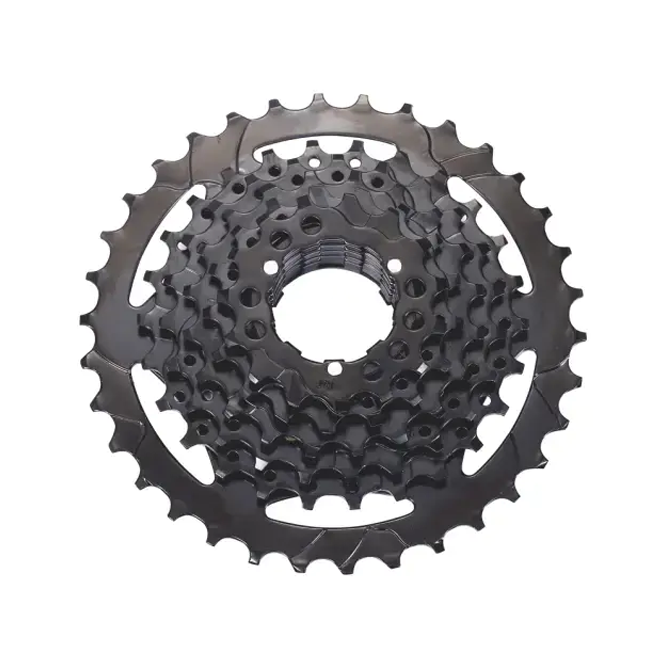
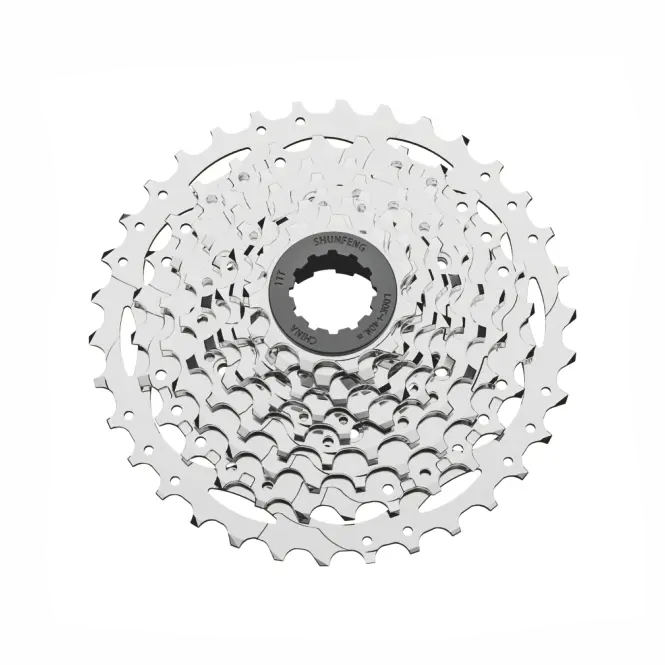
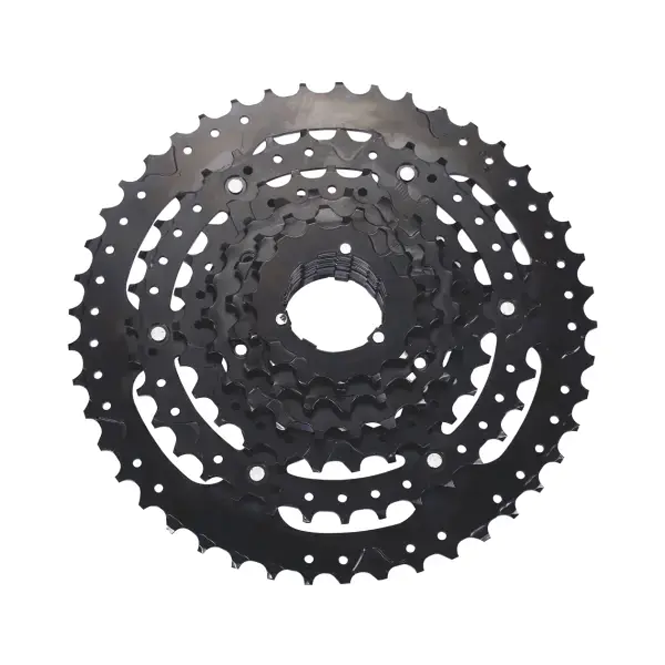
As Bike Freewheel Manufacturers, Ningbo Shenglu Bicycle Co., Ltd. designs and manufactures complete freewheel systems for city, mountain, road, folding and electric-assist bicycles. Our range is built around two families: Multi-Speed Freewheel and Single Speed Freewheel, both supplied under the SHUNFENG brand and through OEM/ODM programs for bicycle brands worldwide.
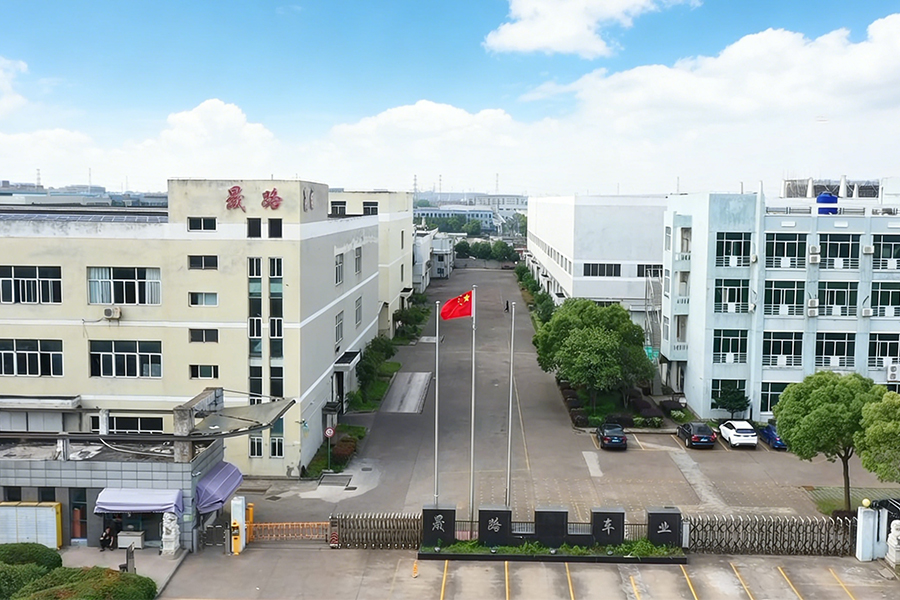
We operate an 80,000 m² manufacturing base in Ningbo, Zhejiang, China, with annual capacity of 5 million freewheels and 15 million pairs of steel hubs. By keeping machining, heat treatment, surface treatment and assembly in-house, we control the parameters that determine shifting response, coasting smoothness and long-term wear.
Freewheel Range and Application Fit
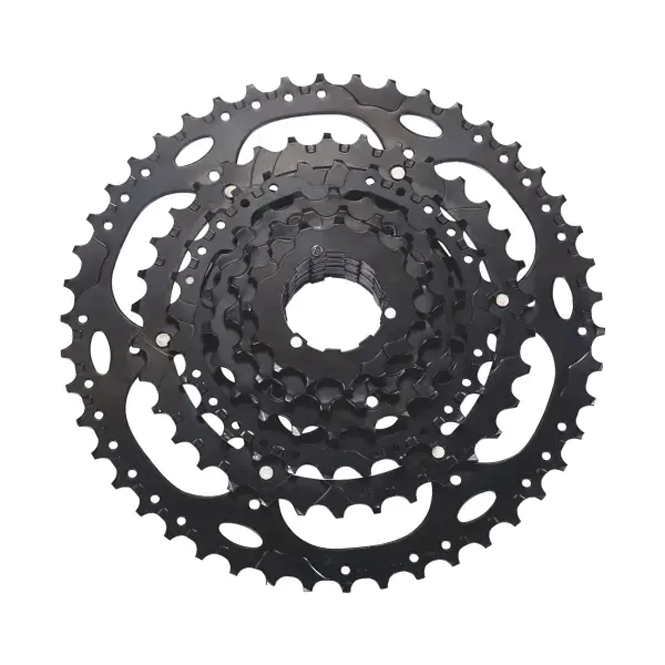
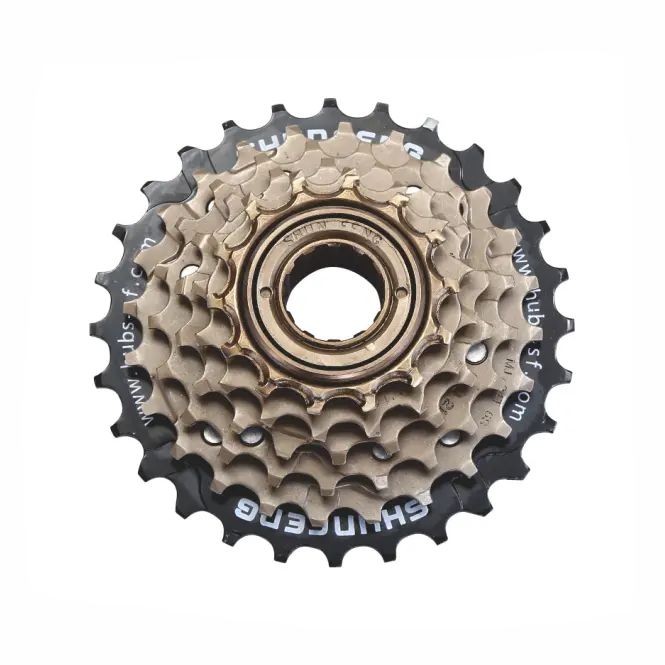
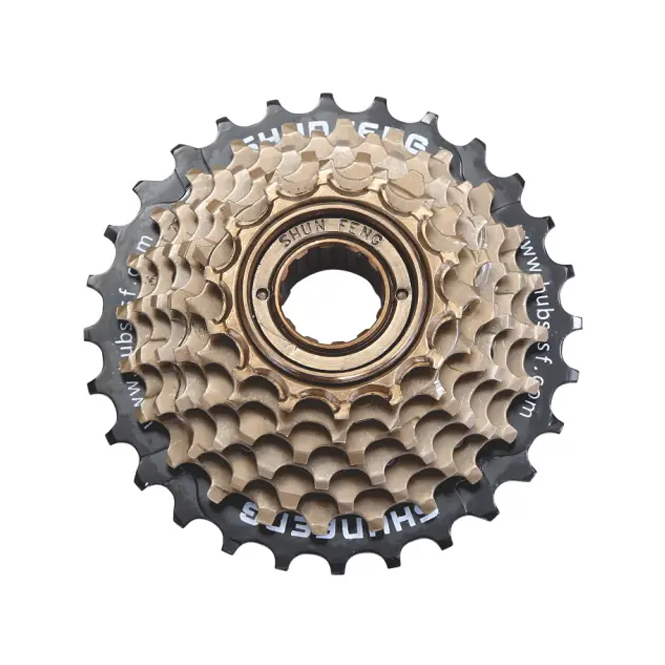
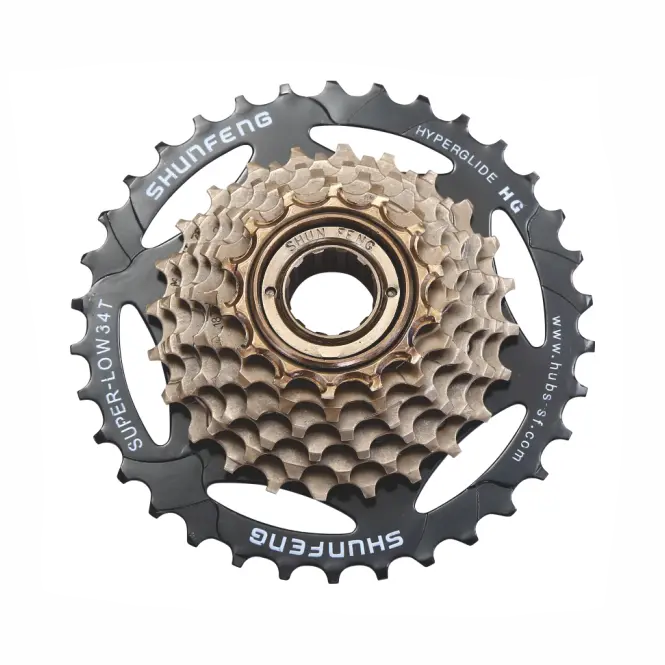
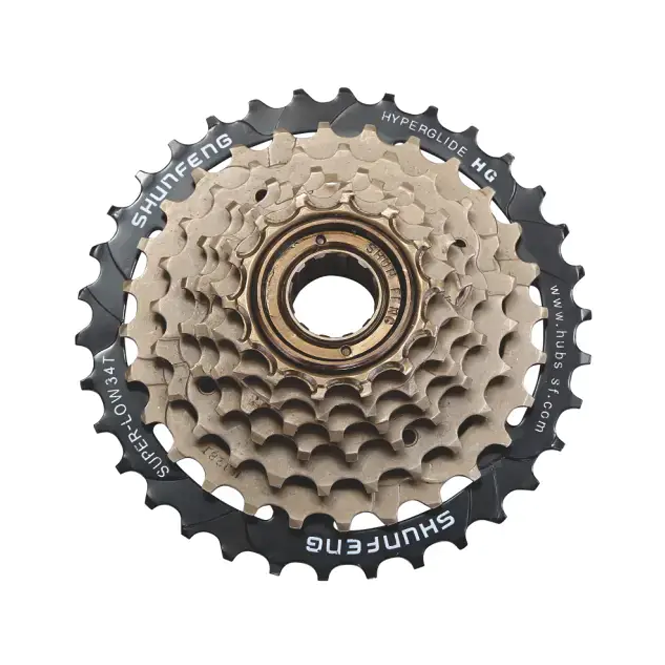
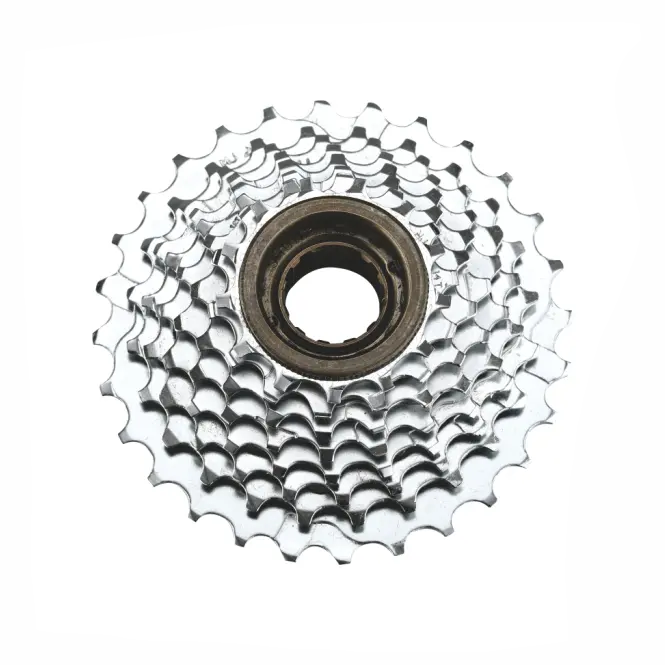
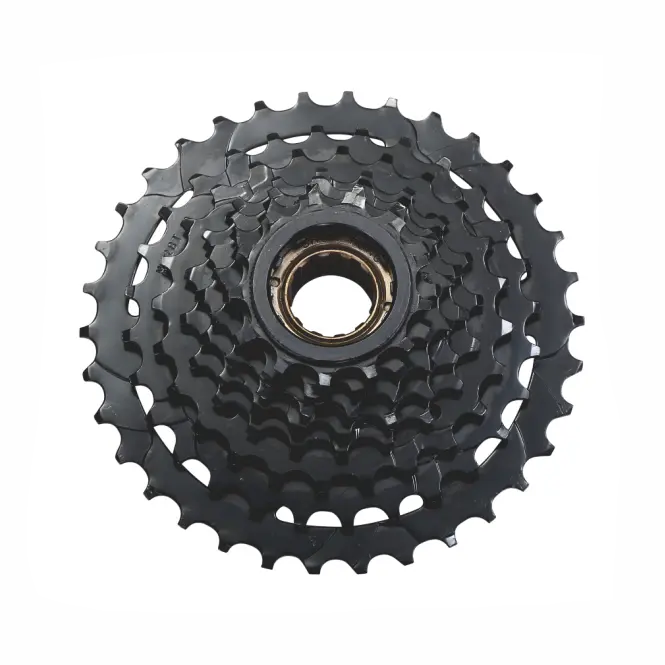
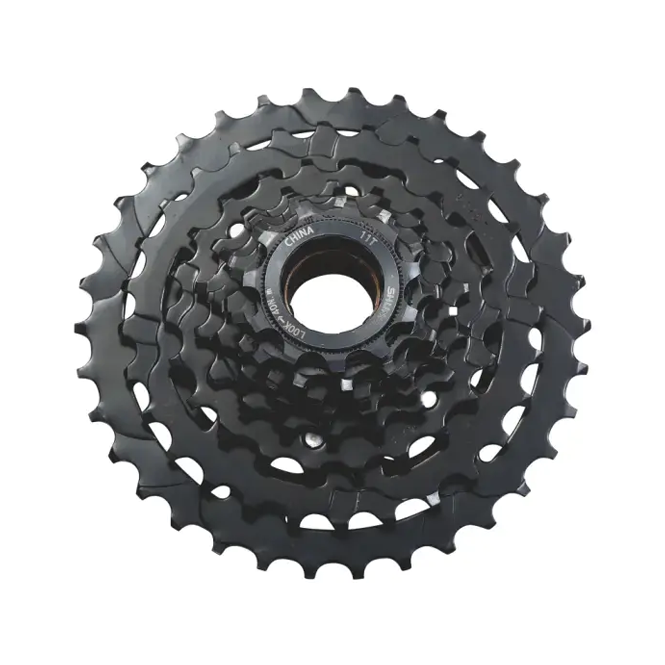
A freewheel is the rear gear cluster mounted to the hub. It transmits pedaling torque through a ratchet mechanism and lets the rider coast when pedaling stops. In multi-speed versions, spaced sprockets work with the derailleur to change gear ratios; single-speed versions provide a simple, durable one-way drive for low-maintenance bicycles.
| Range |
Construction |
Application Fit |
Representative Models |
| Multi-Speed Freewheel |
Card-type (cassette-style) body and rotary threaded-body construction |
Mountain, road, urban commuting and electric-assist bicycles |
CS23, CS33, CS45, CS46, FW04, FW05, FW06, FW724, FW30, FW824, FW832 |
| Single Speed Freewheel |
Rotary threaded body with internal ratchet and bearing system |
City commuter bikes, folding bikes, custom and fixed-gear conversions |
FW12, FW14, SLOT-FW, SLAB-FW |
Multi-speed freewheels are optimised for shift smoothness and wide ratio spread. Single-speed freewheels are selected for structural simplicity, low maintenance and predictable engagement. This lets you match the freewheel to the final bike concept rather than adapting the frame to a fixed drivetrain.
Engineering and Manufacturing Approach
Our freewheel production runs through a complete in-house manufacturing chain: punching, aluminum forging, CNC machining, cold forging, blackening and phosphating, aluminum oxidation, CP and ED plating, heat treatment and final assembly. This vertical structure allows us to coordinate each process directly and respond quickly when a program requires adjustment.
- Automated freewheel assembly reduces manual variation in high-volume stages.
- Heat treatment and surface finishing are controlled internally for consistent hardness and corrosion resistance.
- CNC machining is automated to hold sprocket tooth geometry and body tolerances across long batches.
We treat freewheels as part of the complete drivetrain. Because we also manufacture bicycle hubs in-house, we can match thread interfaces, axle standards and hub bodies to the freewheel specification you need.
Critical Specifications and Configuration Options
The right freewheel configuration depends on the bicycle type, expected rider load and the terrain the bike will encounter. Our proposal starts from the following variables:
Speed Count
6, 7, 8 and 9-speed multi-speed models, plus single-speed 12T–24T options for city and folding bikes.
Tooth Range
From compact urban ranges such as 13–28T to wide climbing ranges up to 11–46T for mountain and electric-assist applications.
Hub Interface
Card-type mounting for cassette-style multi-speed bodies and rotary threaded mounting for screw-on freewheels.
We also evaluate surface finish, chain compatibility and derailleur matching before locking the specification. This reduces the risk of shifting problems or premature wear in service.
Capacity, Throughput and Batch Consistency
Our factory is built for stable, repeatable supply. Annual freewheel production reaches 5 million pieces, with monthly supply capacity up to 1.3 million components. This capacity supports both scheduled OEM programs and peak-season demand.
- Automation is implemented in punching, CNC machining, hub assembly and freewheel assembly.
- Process parameters are maintained from sample approval through mass production.
- Batch traceability and inspection checkpoints support consistency across multiple production runs.
For long-term programs, we lock the specification before sampling so the approved sample represents the actual production method, not an isolated prototype.
Quality Assurance and Acceptance
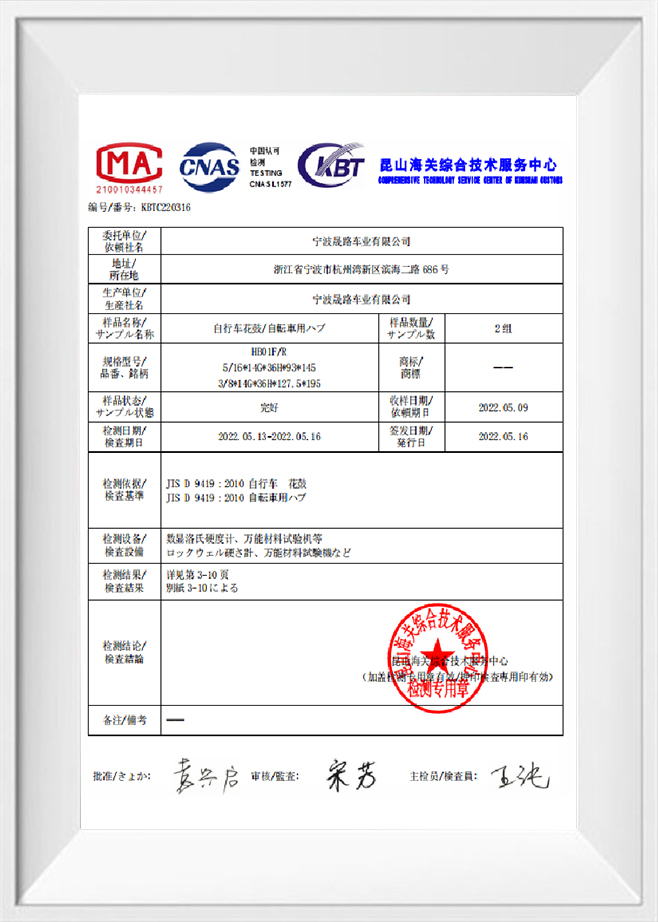
Quality control covers raw material preparation, processing, surface treatment, assembly and final inspection. We focus on reducing batch variation through process control and standardized management rather than relying on pre-shipment inspection alone.
- Dimensional and assembly accuracy inspection
- Functional performance verification for shifting and coasting
- Structural load and durability evaluation based on application scenario
- Surface treatment consistency and corrosion resistance testing
The standard warranty is 2 years for manufacturing or material defects under normal usage. Warranty support follows a clear sequence: problem confirmation and recording, technical evaluation based on production data, then correction or replacement according to liability attribution.
OEM/ODM Customization and Integration
We support customization that can be controlled and scaled in automated production. This includes tooth combinations, sprocket range, surface finish, branding, packaging and documentation. Structural changes are reviewed for manufacturing feasibility before sampling.
- Material and surface treatment options: anodizing, electrophoresis and plating
- Branding: laser marking, logo engraving, private label and custom labeling
- Packaging: OEM carton designs and labeling adapted for international logistics
Our OEM/ODM path is defined to reduce uncertainty: manufacturing feasibility review, sample development under mass-production conditions, specification lock, then batch production with process consistency verification. This makes delivery predictable for brands planning stable, repeatable production.
Information We Use to Configure Your Solution
To prepare a freewheel configuration and quotation, our engineering and sales teams use the following project inputs:
- Bicycle type, riding discipline and expected system weight
- Required speed count and tooth range
- Hub interface: card-type or rotary threaded mounting
- Chain pitch and derailleur compatibility
- Surface finish, branding and packaging requirements
- Target order volume, monthly demand and delivery destination
With these inputs, we lock the specification before sampling and confirm that the approved sample can be repeated consistently in batch production.
Freewheel Procurement FAQs
What is the difference between your multi-speed and single-speed freewheels?
Multi-speed freewheels use multiple sprockets to provide gear ratios for varying terrain and are available in 6 to 9-speed configurations. Single-speed freewheels have a simple ratchet drive and are designed for city, folding and custom bikes where low maintenance is more important than gear range.
Can you supply wide-range freewheels for electric-assist bicycles?
Yes. Our multi-speed line includes 7 and 8-speed wide-range models such as FW724 and FW824 positioned for mountain and electric-assist applications. We confirm the torque and power requirements during configuration so the freewheel matches the motor system.
Do you support custom tooth combinations and branding?
We review custom tooth ranges, sprocket combinations, surface finishes and branding during the feasibility stage. Approved specifications are locked before sampling, and branding is applied through the production process for batch consistency.
How do you ensure consistency between samples and mass production?
We maintain key process parameters from sample approval through batch production, supported by automation, inspection checkpoints and batch traceability. This ensures the confirmed sample reflects actual production output rather than an isolated prototype.
What warranty applies to your freewheels?
The standard warranty is 2 years for quality issues caused by manufacturing or material defects under normal usage. We confirm the problem, evaluate it against production data, and provide correction or replacement according to liability attribution.



 English
 русский
 Français
 Español
 Português
 عربى